
The Myth That Keeps Families From Getting Help: "Hospice Means Giving Up"
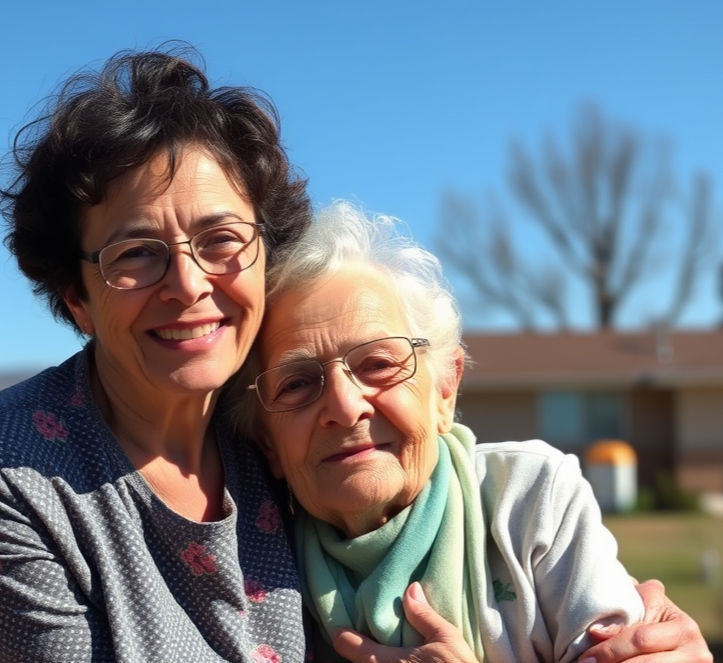
Hospice: for many people, that word feels like surrender. Like waving a white flag. Like telling someone you love that you've stopped fighting for them.
This is one of the most persistent and painful myths in healthcare. And it couldn't be further from the truth.
Where the Myth Comes From
It's not hard to understand why people feel this way. We live in a culture that frames illness as a battle. We "fight" cancer. We're told to "stay strong" and "never give up." Recovery is celebrated as victory, and anything else can feel like failure.
So when a doctor mentions hospice, it can sound like they're saying, “We've done everything we can. There's nothing left.”
But that's not what hospice is. That's not what it means. And that framing robs families of something profoundly valuable—often at the exact moment they need it most.
What Hospice Actually Is
Hospice isn't the absence of care. It's a different kind of care—one that shifts the focus from curing an illness to caring for a whole person.
Here's what that looks like in practice:
Expert pain and symptom management. Hospice teams specialize in keeping patients comfortable. This often means better control of pain, nausea, shortness of breath, and other symptoms than patients receive in standard care.
Emotional and spiritual support. Social workers, chaplains, and counselors work with both patients and families to process grief, fear, and the complex emotions that come with end-of-life.
Practical help at home. Nurses visit regularly. Aides help with bathing and personal care. The hospice team coordinates medications and equipment so families aren't navigating it alone.
24/7 availability. Most hospice programs have nurses on call around the clock. When something goes wrong at 2 a.m., there's someone to call who knows your loved one's situation.
Support for caregivers. Hospice recognizes that family members need help too—respite care, guidance, and bereavement support that continues after a loved one passes.
Choosing Hospice Is Stepping Up, Not Stepping Back
When a family chooses hospice, they're not abandoning treatment. They're making a deliberate decision to prioritize what matters most: comfort, dignity, time together, and quality of life.
This is an active choice. A brave one. And often, it takes more courage than continuing aggressive treatments that may cause suffering without offering meaningful benefit.
Hospice isn't about giving up on your loved one. It's about showing up for them—fully, presently—in the time you have.
It means saying: We're not going to spend these weeks in waiting rooms. We're going to spend them at home, with the people who matter, with your pain managed and your wishes honored.
The Cost of Waiting Too Long
One of the saddest realities in hospice care is that many families wait until the final days—or even hours—to make the call. By then, the benefits of hospice are dramatically reduced.
Studies consistently show that patients who enter hospice earlier:
Report better quality of life
Experience fewer hospitalizations
Often live longer than similar patients who continue aggressive treatment
Have families who cope better with grief afterward
Hospice isn't a last resort. It's a resource—one that works best when families have time to use it fully.
A Different Way to Think About It
If your loved one had a broken leg, you wouldn't see it as "giving up" to call an orthopedic surgeon instead of continuing with their general practitioner. You'd be getting specialized care for their specific situation.
Hospice is the same principle. It's specialized care for people facing the end of life—delivered by teams who have deep expertise in exactly this moment.
That's not defeat. That's wisdom.
What to Do With This Information
If you or someone you love is facing a serious illness, it's worth having the hospice conversation early. Ask the care team: What would hospice look like for us? What would it offer that we're not getting now?
You don't have to decide today. But understanding your options isn't giving up—it's being prepared to make the best possible choice for your family when the time comes.
Because choosing comfort, choosing presence, choosing to focus on what matters most...
That's not surrender. That's love in action.


Comments